
How to Manage Pain Without Opioids
How to Manage Pain Without Opioids
Opioids are strong medicines that may be used to treat pain. But they may not be the best choice if you have pain that lasts for more than 3 months (chronic pain).
Opioids may not be the best choice because of:
The side effects. These may include feeling sleepy, having trouble pooping, or feeling like you may throw up.
The risk of addiction. Taking opioids for a long time puts you more at risk for an opioid use disorder.
If you have chronic pain, you may need to be treated by a team of health care providers who will work together to find the best treatments for you. You may be seen at a pain management center or in a pain clinic.
How to manage pain without the use of opioids
Use non-opioid medicines
Other medicines for pain include:
NSAIDs, such as ibuprofen. These may be the first medicines used for pain. They work well for muscle and bone pain and can help with swelling.
Acetaminophen. This may work well for milder pain but does not work for swelling.
Antidepressants. A certain type called tricyclics may be used. These are given in lower doses for pain than when used to treat depression.
Anticonvulsants. These are used to treat seizures but may also help with nerve pain.
Muscle relaxants. These help with pain caused by your muscles tightening all of a sudden (spasms).
You may also be given medicine to put on your skin as a patch, cream, or gel. It may numb the area. These medicines may cause fewer side effects than ones taken by mouth.
Do certain therapies as told
Some therapies can help with pain. They include:
Physical therapy. You'll learn exercises that you can do at home. Physical therapy may also involve:
Massage.
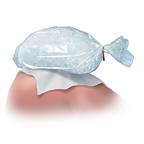
Heat wraps or putting heat or cold on your body.
Transcutaneous electrical nerve stimulation (TENS).
Low-level laser therapy. This is when weak lasers are used to reduce pain and swelling.
Biofeedback therapy.
Occupational therapy. This helps you learn how to do things at work and home with less pain.
Recreational therapy. This involves trying new activities, such as drawing.
Mental health therapy, such as:
Cognitive behavioral therapy (CBT). This helps you learn coping skills.
Acceptance and commitment therapy (ACT) to change the way you think and react to pain.
Relaxation therapies, such as muscle relaxation exercises. You may also be shown how to use mindfulness to reduce stress.
Pain management counseling. This may be done on your own, with family, or in a group setting.
Get medical treatments
Medical treatments for pain include:
Nerve block injections. These may help block pain and reduce swelling. You may have injections:
Near your spine to help with chronic back or neck pain.
Into joints to help with back or joint pain.
Into nerve areas that supply a painful area to help with body pain.
Into muscles to help with some painful muscle problems.
A spinal cord stimulation device. This is a device put near your spine to help block pain signals. It can help with nerve pain or chronic back pain.
Acupuncture.
Follow these instructions at home
Medicines
Take your medicines only as told.
If you take pain medicine, ask your provider what side effects to watch out for.
Do not drive or use machines while taking opioids.
Lifestyle
Do not use drugs or alcohol to reduce pain. If you drink alcohol:
Limit how much you have to:* 0–1 drink a day if you're female.* 0–2 drinks a day if you're male.
Know how much alcohol is in your drink. In the U.S., one drink is one 12 oz bottle of beer (355 mL), one 5 oz glass of wine (148 mL), or one 1½ oz glass of hard liquor (44 mL).
Do not smoke, vape, or use nicotine or tobacco.
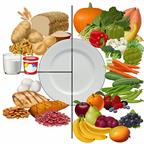
Eat healthy and stay at a healthy weight. Poor diet and extra weight can make pain worse.
Eat foods that are high in fiber, such as:
Fresh fruits and vegetables.
Whole grains.
Beans.
Limit foods that are high in fat and processed sugars, such as:
Fried foods.
Sweet foods.
Get enough exercise. Exercise lowers stress and can help with pain.
Ask your provider what exercises are safe for you.
If your provider says it's OK, join an exercise class that combines movement and stress reduction. These types of classes include yoga and tai chi.
Get enough sleep. Lack of sleep may make pain worse.
Lower your stress as much as you can. Do stress reduction techniques as told.
General instructions
Work with all your providers to find the treatments that work best for you. There are many things you can do to reduce pain on your own.
Think about joining an online or in-person support group for people who have chronic pain.
Where to find more information
To learn more about how to manage pain without opioids, go to:
Institute for Chronic Pain at instituteforchronicpain.org.
Click on the header "Treating Chronic Pain."
Click on the subheader "Is it possible to manage pain well without opioids?"
American Academy of Pain Medicine at painmed.org/patient-education-resources/.
American Chronic Pain Association at theacpa.org.
Contact a health care provider if:
You have side effects from your medicine.
Your pain gets worse.
Your pain doesn't get better with treatments or therapy.
You feel very worried, nervous, sad, or hopeless.
This information is not intended to replace advice given to you by your health care provider. Make sure you discuss any questions you have with your health care provider.
Document Revised: 01/02/2026 Document Reviewed: 01/02/2026
Elsevier Patient Education © 2026 Elsevier Inc.